
ჯვარი
| 漢>ა A>ა |
ეს სტატია/სექცია ქართულ ენაზე თარგმნის პროცესშია. თუ ფლობთ ამ ენას, თქვენც შეგიძლიათ მონაწილეობის მიღება. |
ჯვარი — ფიგურა, რომელიც შედგება ორი გადამკვეთი ზოლისგან ან მართკუთხედებისგან. ხშირად კუთხე 90° შეადგენს. ზოლები ტრადიციულად ვერტიკალურად და ჰორიზონტალურად განლაგდებიან. ის ადამიანობის ერთ-ერთი ყველაზე ძევლი სიმბოლოა, რომელიც გამოყენებულია მრავალ რელიგიასა და კულტურაში, მაგრამ ყველაზე ხშირად მას ასოცირებენ ქრისტიანობასთან.
სექციების სია |
ჯვრის ისტორია [რედაქტირება]
ჯვარი კერპთაყვანისცემლობაში [რედაქტირება]
პირველმა ცივილიზაციურმა ხალხმა, რომელმაც გამოიყენა ჯვარი ძველი ეგვიპტელები იყვნენ. ეგვიპტურ ტრადიციაში ჯვარს ზედა შტოს მაგივრად წრე ჰქობდა, ანხი, სიცოცხლისა და ღვთაებების სიმბოლო. აგრეთვე ანხს ნილოსის გასაღებად ეძახდნენ. ბაბილონში ჯვარი ცის ღვთაების, ანუს სიმბოლოდ ითვლებოდა. ასურულ მითოლოგიაში მთავარღვთაების, აშურის სიმბოლო წრეწირში ჩაწერილი ჯვარი იყო.
ის, რომ ჯვარი იყო სხვადასხვა პოლითეისტური რელიგიათა სიმბოლო ქრისტიანობამდე ადასტურებს არქეოლოგიური გათხრები. ისტორიური მონაპოვარი აღმოჩენილია ევროპაში, ინდოეთში, სირიაში, სპარსეთში, ეგვიპტეში, ჩრდილოეთსა და სამხრეთ ამერიკაში. ძველ ინდოეთში ჯვარი იყო გამოსახული ფიგურის თავზე, რომელიც ბავშვებს კლავდა და ასევე კრიშნას ხელებზე. სამხრეთ ამერიკაში მუისკებს ეგონათ, რომ ჯვარი განდევნის ავ სულებსა და ბოროტ ძალებს, და ქვეშ კი ახალშობილებს აწვენდნენ. დღესაც ბევრ ქვეყანაში, სადაც არ არის ქრისტიანული ეკლესიის დიდი გავლენა, ჯვარი მიღებულია რელიგიურ სიმბოლოდ.
ჯვარი ქრისტიანულ ტრადიციაში [რედაქტირება]
ჯვარი არის ქრისტიანულ კონფესიათა უმეტესობის თაყვანისსაცემი საგანი. ქრისტიანობაში ჯვარის კულტის გაჩენას მაცხოვრის ჯვარცმასთან აქვს კავშირი.
ქრისტიანულ ჯვარს უამრავი ვარიაცია აქვს. უმეტეს ენებში სიტყვა "ჯვარი" (ინგლ. Cross; რუს. Крест; პოლ. Krzyż; გერმ. Kreuz) ლათინური "crux"-დან წარმოიშვა, რაც "ხე"-ს ნიშნავს. ასევე არსებობს ზმნა "cruciare", რომლეიც ითარგმნება, როგორც "წამება".
წერითი სიმბოლო [რედაქტირება]
წერითი ჯვრები გამოიყენება სხვადასხვა მიზნებისთვის, უშუალოდ მათემატიკაშიც.
- ათი რომაული ციფრებით აღინიშნება სიმბოლოთი X.
- ლათინურ ანბანში ჯვარის მაგვარი ორი ასო არსებობს: X და მეტ ნაკლებად t.
- ჩინურ ასოებში ათის მანიშნებელია 十.
- სატევარი ან სიკვდილის მანიშნებელი სიმბოლო (†)
- მათემატიკაში პლუსი (+) და გამრავლება (×)
ჯვარი ხშირად გამოიყენება ტექსტის, აბზაცის ან ტექსტის აღსანიშნავად დროშის სახით.
როგორც ნიშანი ან სიმბოლო [რედაქტირება]
| ჯვრის ტიპი | აღწერა | სურათი |
|---|---|---|
| ქრისტიანული ჯვარი | ასევე ცნობილია, როგორ ლათინური ჯვარი. არის ქრისტიანობის ყვალაზე გავრცელებული სიმბოლო. ჯვრის აღმოჩენა იესოს მოწამეობრივ სიკვდილთან არის დაკავშირებული, რომელსაც მან ჯვარზე მიიღო. | |
| ანხი |
ასევე ცნობილია, როგორც ეგვიპტური ჯვარი, ნილოსის გასაღები, მარყუჟული ჯვარი. ძველ ეგვიპტეში იყო სიცოცხლისა და მოსავლის სიმბოლო. ქრისტიანობაში ეს სიმბოლო კატეგორიულად დაუშვებელია, რათა ეკლესია მიიჩნევს რომ ეს ეშმაკის ჯვარია. ხშირად ამ ჯვარს გოთები ატარებენ. |
|
| კოპტური ანხი |
კოპტური ანხი არის ადრეული ეგვიპტელი ქრისტიანების ორიგინალური კოპტური ჯვრის თავისებური გამოყენება. |
|
| ორიგინალური კოპტური ჯვარი |
ადრეული ეგვიპტელი ქრისტიანები იყენებდნენ ამ ჯვარს. |
|
| კოპტური ჯვარი |
პატარა წრე ცენტრში, რომლისგანაც პარალელური ზოლების ორი წყვილი გამოდის. ზოლებს შორის, რომლებიც შეადგენენ 90° არის განთავსებული T-ფორმის სიმბოლოები. ეს ჯვარი ასახავს ქრისტეს ჯვარცმას და ადრე ფართოდ გამოიყენებოდა კოპტურ ეკლესიაში, რომლის ცენტრი განთავსებულია ეგვიპტეს ქალაქ ალექსანდრიაში. |
|
| ახალი კოპტური ჯვარი |
ეს არის კოპტური ჯვრის ახალი ფორმა, რომელსაც ფართოდ იყენებენ ქრისტიანი ეგვიპტელები და თვით კოპტურ მართლმადიდებლური ეკლესია, რომლის ცენტრი განთავსებულია ეგვიპტეს ქალაქ ალექსანდრიაში. ეს ვერსია არის შედგენილი ზევით აღნიშნული ჯვრების საფუძველზე. |
|
| მზის ჯვარი |
ეს სიმბოლო ცნობილია, როგორც მზის ჯვარი და ფართოდ იყენებოდა ამერიკელი ინდიელების მედიცინურ ბორბალში. ასევე არის გნოსტიციზმის მოძრაობათა სიმბოლო. |
|
| მაღალი ჯვარი |
ცალკე მდგომი კელტურ ჯვრებისაგან სიმბოლო, რომელიც ხშირად გვხვდება ირლანდიასა და ბრიტანეტში. ჯვარი ფართოდ არის გამოყენებული ეკლესიებსა და სასაფლაოებზე. |
|
| კენტერბერის ჯვარი |
გამოიყენება ანგლიკანურ ეკლესიაში. ჯვარს აქვს ოთხი ერთნაირი სიგრძის შტო, რომელიც გამოხარულია რკლის ფორმით ბოლოში. ეს რკალნი შეუღლებლად წარმოქმნიან წრეწირის ფორმას. ყველა შტოს აქვს ამოიჭრილი ტრიკვერტი, რომელიც სამებას სიმბოლიზირებს. ჯვრის ცენტრში არის პატარა მართკუთხედი. ეს ჯვარი ნაპოვნია ქ. კენტერბერში 1867 წელს და ტარიღდება 850 წლით. მეცნიერები ვარაუდობენ, რომ ამ ჯვარს ანგლო-საქსონური წამოშობა აქვს. (წყარო (ინგლისური)) |
|
| ჯვარცმა |
ჯვარი და იესოს ტანის გამოსახულება ჯვარცმის დროს. ეს ჯვარი არის ფართოდ გამოყენებული კათოლიკურ, ანგლიკანური, მართლმადიდებლურსა და აღმოსავლეთის ეკლესიათა მთელ რიგში. |
|
| ბერძნული ჯვარი |
ეს ჯვარი არის მართლმადიდებლური და ადრეული ქრისტიანობის უმთავრესი სიმბოლო. მისი ყველა შტო ერთი სიგრძისა. ამ ჯვარს უწოდებენ ბერძნულ ჯვარს, იმიტომ რომ ეს ჯვარი გამოსახული საბერძნეთის დროშაზე ( |
|
| ფლორიანის ჯვარი |
ჯვარი მიღებულია, როგორც ხანძარწინააღმდეგი ემბლემა, ასევე არის წმ. ფლორიანის[1] სიმბოლო. ფლორიანის ჯვარი ჰგავს მალტიისა და პეტის ჯვარს, თუმცა ამ ჯვარს მრგვალი ხელები აქვს. ჯვრის ორივე ვერსია აქ არის მოყვანილი. |
|
| აღმოსავლური მართლმადიდებლური ჯვარი |
ასეთი ჯვარი მიღებულია ტრადიციულ მართლმადიდებლურ ეკლესიებში ასევე აღნოსავლურ კათოლიკურ სამყაროში. ჯვარზე ასახულია ასოები IC XC, რომლებითაც მართლმადიდებლურ სამყაროში იესოს სახელის ინიციალები აღინიშნება. |
|
| წმინდა ბრიჯიდის ჯვარი |
ასეთი ჯვარი მთელი ირლანდიის ტერიოტრიაზე გვხვდება. ამ სიმბოლოს ავტორია პრინცესა ბრიჯითი, რომელიც წარმართი მეფის ასული იყო. მან ჯვარი ლერწმისგან შექმნა, სწორედ ჯვარა უკავშირდება ირლანდიის ხალხთა მოქცევა. თვით სახელი ბრიჯითი წარმოიშვა ბრიგითისაგან (ან ბრექეთისგან), რომელიც კელტების წარმართული რელიგიის მთავარქალღმერთის სახელია. |
|
| ხი-რო |
ჯვარი, რომელიც კონსტანტინე დიდის დროს სახელმწიფოს სიბმოლად იყო მიღებული. ჯვარი შედეგბა ორი ბერძნული ასოსგან χ და ρ, რაც სავარაუდოდ ქრისტიანობას ნიშნავს. |
|
| Lorraine Cross |
Used in heraldry. It is similar to a patriarchal cross, but usually has one bar near the middle and one near the top, rather than having both near the top. Is part of the heraldic arms of Lorraine in eastern France. It was originally held to be a symbol of Joan of Arc, renowned for her perseverance against foreign invaders of France. |
|
| Marian Cross |
Included on the coat of arms of Pope John Paul II, the Marian Cross is a Catholic adaptation of the traditional Latin cross to emphasize Catholic devotion to Mary. |
|
| Nordic Cross | ||
| Occitan cross |
Based on the counts of Toulouse's traditional coat of arms, it soon became the symbol of Occitania as a whole. |
|
| Papal Cross |
The three cross-bars represent the Pope's triple role as Bishop of Rome, Patriarch of the West, and successor of St. Peter, Chief of the Apostles. |
|
| Patriarchal cross |
Similar to a traditional Christian cross, but with an additional, smaller crossbar above the main one meant to represent all the Orthodox Christian Archbishops and Patriarchs. In the Eastern Orthodox Church, this cross is sometimes seen with an additional, slanted bar near the foot of the cross (see Byzantine Cross). This cross is similar to the Lorraine Cross, Caravaca Cross, and Salem Cross |
|
| Presbyterian Cross | Used by Presbyterian denominations. | |
| Red Cross |
Used as a symbol for medical care in most of the world, the Red Crescent being used in Islamic countries and the Magen David Adom in Israel. |
|
| Cross of Sacrifice |
A Latin cross with a superimposed sword, blade down. It is a symbol used by the Commonwealth War Graves Commission at the site of many war memorials. |
|
| Cross of Salem |
Also known as a pontifical cross because it is carried before the Pope, it is similar to a patriarchal cross, but with an additional crossbar below the main crossbar, equal in length to the upper crossbar. It is also similar to the Eastern Cross. |
|
| Royal Flag of Georgia |
Used in Georgia as national flag, first used by Georgian King Vakhtang Gorgasali in the 5th century and later adopted by Queen Tamar of Georgia in the 13th century. The flag depicts a Jerusalem cross, adopted during the reign of George V of Georgia who drove out the Mongols from Georgia in 1334. |
|
| St. Nino's Cross |
Also known as a "Grapevine cross" and traditionally ascribed to Saint Nino, the 4th-century female baptizer of the Georgians, it is used as a symbol of the Georgian Orthodox Church. |
|
| St. Thomas Cross |
Also known as a "Mar Thoma Cross" and traditionally ascribed to Saint Thomas, the Apostole of India, it is used as a symbol of the Syro Malabar Catholic Church and venerated by all Saint Thomas Christians denominations.[2] |
|
| Saint Andrew's Cross |
Used in Scotland's national flag, the naval ensign of the Russian Navy, and the former Confederate States of America; it is also called the Saltire, the Boundary Cross (because it was used by the Romans as a barrier) and the crux decussata. Saint Andrew is believed to have suffered a martyr's death on such a cross, hence its name. The cross does not have to be at this particular angle to qualify as a saltire; the symbol X can also be considered a St. Andrew's Cross. |
|
| St George's Cross |
Used in England's national flag. |
|
| St George's Cross (in Scandinavia) |
The definition of a St George's cross is, in Scandinavia, extended to also include a centred cross, normally red but not necessarily, with triangular arms that do not fill the square. The example beside is the cross of the Swedish Order of Freemasons. |
|
| Saint Peter's Cross/Inverted Cross |
An upside-down Latin cross, based on a tradition that holds that Saint Peter was martyred by being crucified upside-down. Today it is often associated with anti-Christian or Satanic groups. |
|
| Skull and crossbones |
Not a cross as such, but a saltire made of bones, with an overlaid skull. While traditionally associated with pirates, it was actually relatively rarely used by them, each ship having its own design, often involving an hourglass. |
|
| Tau Cross |
Also known as Saint Anthony's Cross, the Egyptian Cross and the crux commissa. It is shaped like the letter T. Francis of Assisi used it as his signature. |
|
| Thieves' Cross |
Also known as the Furka Cross. The fork, shaped like the letter Y. [1] |
|
| Mariner's Cross |
The Mariner's Cross is a stylized cross in the shape of an anchor. The Mariner's Cross is also referred to as St. Clement's Cross in reference to the way he was martyred. |
|
| Order of Christ Cross |
Cross originally used by the Portuguese Order of Christ. Since then it has become a symbol of Portugal, used on the sails of the carracks during the Discoveries Era, and currently by the Madeira Autonomous Region of Portugal and the Portuguese Air Force. |
|
| Extreme-right variant of the Celtic Cross |
Some white nationalist and neo-fascist groups adopted this variation of the Celtic cross, made up of simple lines, without any of the ornamental complexity of traditional Celtic crosses. It is thought that this basic variation's minor resemblance to the swastika is the reason it has become popular in such circles. This variation was also used by the Zodiac killer at the scenes of his crimes. |
|
| Serbian cross (Tetragrammatic cross) |
The motif of a cross between four objects is derived from Constantine's labarum and has figured on Byzantine coins, since the 6th c. Later, the 4 symbols of the cross have been interpreted as flints or firestones, but also as the initials (letters "ß") of the imperial motto of the Palaiologos dynasty: King of Kings, Ruling Over Kings (Greek: ßασιλεύς ßασιλέων, ßασιλεύων ßασιλευόντων - Basileus Basileōn, Basileuōn Basileuontōn). The cross has been used by Serbian states and the Serbian Orthodox Church since the Middle Ages after Dušan the Mighty was crowned Emperor (Tsar) of the Serbs and Greeks (16 April 1345). Today it is the national, religious and ethnic symbol of Serbs and Serbia. |
|
| Swastika |
The swastika is an equilateral cross with its arms bent at right angles, in either right-facing (თარგი:Script) form or its mirrored left-facing (თარგი:Script) form. Archaeological evidence of swastika-shaped ornaments dates from the Neolithic period. It occurs mainly in the modern day culture of India, sometimes as a geometrical motif and sometimes as a religious symbol. It remains widely used in Eastern religions / Dharmic religion such as Hinduism, Buddhism and Jainism. Though once commonly used all over much of the world without stigma, because of its iconic usage in Nazi Germany the symbol has become stigmatized in the Western world. |
In heraldry [რედაქტირება]
These crosses are ones used primarily or exclusively in heraldry and do not necessarily have any special meanings commonly associated with them. Not all the crosses of heraldry and the crosses with commonly known contexts are listed below.
| Cross name | Description | Picture |
|---|---|---|
| The cross as heraldic "ordinary" |
A simple heraldic cross (the default if there are no additional specifying words) has arms of roughly equal length, artistically proportioned to the particular shape of the shield, which extend to the edges of the shield. Illustrated is the blazon "Azure, a cross Or" (i.e. a gold cross on a blue shield). A cross which does not extend to the edges of the shield is humetty, in heraldic terminology. |
|
| Cross anchry |
A stylized cross in the shape of an anchor. Also known as the anchored cross or mariner's cross. |
|
| Cross barbée |
Also known as the cross barby or arrow cross, this symbol consists of two double-ended arrows in a cross configuration. Best known today for its use by the fascist Arrow Cross Party in the 1930s, the symbol actually dates to ancient times and was used by Hungarian tribes in the Middle Ages.[საჭიროებს წყაროს მითითებას] In Christian use, the ends of this cross resemble the barbs of fish hooks, or fish spears. This alludes to the Ichthys symbol of Christ, and is suggestive of the "fishers of men" theme in the Gospel. |
|
| Cross bottony |
A cross with the ends of the arms bottony (or botonny), i.e. shaped like an architectural trefoil. It occurs counterchanged on the flag of Maryland. |
|
| Cross cercelée |
A cross which, opening at the ends, turns round both ways, like a ram's horns. |
|
| Cross crosslet |
A cross with the ends of each arm crossed. |
|
| Cross fleury |
A cross with the ends of the arms fleury (or flory), having a shape like a fleur-de-lys. |
|
| Cross fourchee |
One form of the heraldic cross fourchee (fourchée, fourchy) or cross fourche (meaning "forked"). |
|
| Cross fylfot |
Upright cross with truncated bent arms |
|
| Jerusalem cross |
Also known as the Crusader's Cross. This cross was the symbol of the Crusader Kingdom of Jerusalem, which existed for almost two hundred years after the First Crusade. The four smaller crosses are said to symbolize either the four books of the Gospel or the four directions in which the Word of Christ spread from Jerusalem. Alternately, all five crosses can symbolize the five wounds of Christ during the Passion. This symbol is also used in the flag of Georgia. It is also the logo for the Knights and Dames of the Holy Sepulcher of Jerusalem as well as the Franciscan order's Custody of the Holy Land. Many retreats including the Ignatian Kairos Retreat, and the Marian L.I.F.E. retreat bestow this cross on its participants as a sign of shared spirituality. |
|
| Maltese cross |
With arms which narrow towards the center, and are indented at the ends. The "eight-pointed cross" (with no curved lines). |
|
| Cross moline |
In a cross moline, the ends of the arms are split and curved back. |
|
| Cross patonce |
A cross patonce is more or less intermediate between a cross pattée and a cross flory (or fleury). |
|
| Cross pattée |
A cross pattee (pattée, patty), or formée (formy) has arms narrowing towards the centre, but with non-indented ends. See also Iron Cross. |
|
| Cross pommee |
A cross pommee (pommée, pommy) has a circular knob at the end of each arm. |
|
| Cross potent |
This cross has a crossbar at the end of each of its arms. "Potent" is an old word for a crutch, and is used in heraldic terminology to describe a T shape. It is used by many, mostly Roman Catholic, Scouting and Guiding organisations in their logos and insignia. |
|
| Quadrate |
A cross with a square at the intersection point. |
|
| Cross triple parted and fretted |
In heraldry, a "cross triple parted and fretted" (or "treble parted and fretted") is interlaced. Here, a version which is "Or on an Azure field" (gold on blue) is shown. |
|
| Cross voided |
A "cross voided throughout", also known as the Gammadia, can be seen as a Greek cross with its centre lines removed, or as composed of four angles (L shapes) separated by a thin space. So the name "gammadia" refers to its being made up of four shapes similar to a capital Greek letter gamma; the word gammadion can also refer to a swastika. |
|
| Cross fitchy | A cross fitchy is a variation where the lower part is fashioned as a sword blade. This can be combined with other variations, e.g. cross crosslet fitchy, shown here. | |
| Cross of St James |
The Cross of St. James, similar to a Cross Flory Fitch, is formed by a Cross Flory, where the lower part is fashioned as a sword blade (fitched)—making this a cross of a warrior. It is most frequently depicted in red. (The version depicted here is the one used by the order of Santiago.) |
There are numerous other variations on the cross in heraldry. See heraldry for background information.
The semi-classic book A Glossary of Terms Used in Heraldry by James Parker (1894) is online, and contains much information about variants of crosses used in heraldry.
ჯვრები დროშებზე [რედაქტირება]
Several flags have crosses, including all the nations of Scandinavia, whose crosses are known as Scandinavian crosses, and many nations in the Southern Hemisphere, which incorporate the Southern Cross. The Flag of Switzerland since the 17th century has displayed an equilateral cross in a square (the only square flag of a sovereign state apart from the Flag of the Vatican City); the Red Cross emblem was based on the Swiss flag.
სუვერენული სახელმწიფოთა დროშები [რედაქტირება]
-
ბურუნდის დროშა -
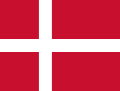
დანიის დროშა -
დომინიკის დროშა -
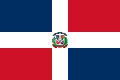
დომინიკელთა რესპუბლიკის დროშა -
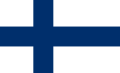
ფინეთის დროშა -
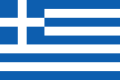
საბერძნეთის დროშა -
ისლანდიის დროშა -

იამაიკის დროშა -
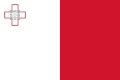
მალტის დროშა -
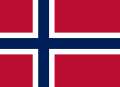
ნორვეგიის დროშა -
სერბეთის დროშა -
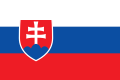
სლოვაკეთის დროშა -
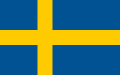
შვედეთის დროშა -

შვეიცარიის დროშა -
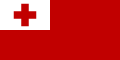
ტონგის დროშა -
გაერთიანებული სამეფოს დროშა
სხვა დროშები და გერბები [რედაქტირება]
-
შოტლანდიის დროშა -
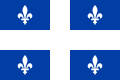
კვებეკის დროშა -
„წითელი ჯვრის“ სიმბოლო -
პორტუგალიის დროშა (1095)
Other noteworthy crosses [რედაქტირება]
The Crux, or Southern Cross, is a cross-shaped constellation in the Southern Hemisphere. It appears on the national flags of Australia, Brazil, New Zealand, Niue, Papua New Guinea and Samoa.
The tallest cross, at 152.4 metres high, is part of Francisco Franco's monumental "Valley of the Fallen", the Monumento Nacional de Santa Cruz del Valle de los Caidos in Spain.
A cross at the junction of Interstates 57 and 70 in Effingham, Illinois, is purportedly the tallest in the United States, at 198 feet (60.3 m) tall.
The tombs at Naqsh-e Rustam, Iran, made in the 5th century BC, are carved into the cliffside in the shape of a cross. They are known as the "Persian crosses".
იხილეთ აგრეთვე [რედაქტირება]
სქოლიო [რედაქტირება]
- ↑ წმინდა ფლორიანე არის პოლონეთისა და ავსტრიის მფარველი.
- ↑ http://nasrani.net/2008/02/29/analogical-review-on-st-thomas-cross-the-symbol-of-nasranis/
ლიტერატურა [რედაქტირება]
- Chevalier, Jean (1997). "The Penguin Dictionary of Symbols". Penguin ISBN 0140512543
- Koch, Rudolf (1955). The Book of Signs. Dover, NY. ISBN 0-486-20162-7.
- Drury, Nevill (1985). Dictionary of Mysticism and the Occult. Harper & Row ISBN 0060620935
- Webber, F. R. (1927, rev 1938). Church Symbolism: an explanation of the more important symbols of the Old and New Testament, the primitive, the mediaeval and the modern church. Cleveland, OH.
რესურსები ინტერნეტში [რედაქტირება]
|
|||||||